Decorative · Baltimore, MD

Colored Concrete in Baltimore

Bring the finish into the design of your property. Explore colored concrete with Baltimore’s Concrete to compare tones, surrounding materials and the look you want for your outdoor space.

How this service can help
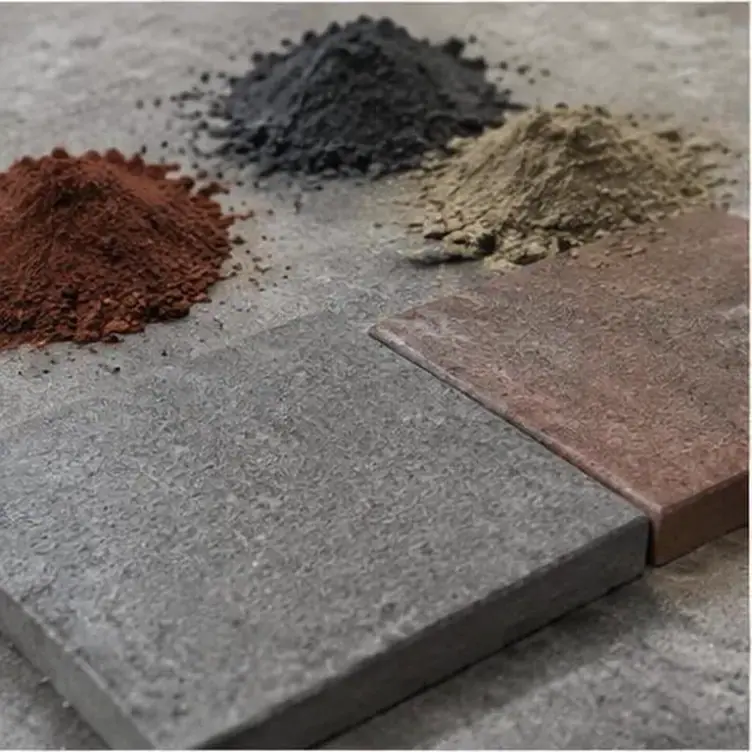
Concrete color samples beside powdered pigments

Choose concrete color around your property

Bring color into the patio, walkway or entrance you want to improve. Baltimore’s Concrete offers colored concrete for patios, walks and other suitable areas, with finish options to complement your property.

Use the brick, siding, landscaping and adjoining paving as the starting point for color selection. A tone that looks right on a small sample can read differently across a large outdoor surface. Bring reference images, explain whether the concrete is new or existing, and compare texture and sealing alongside the color you have in mind.
Plan your decorative concrete project.

Describe the area, the look you want and whether the concrete is new or existing. Your preferred colors, texture and everyday use help narrow the options to discuss.

Your colored concrete options

Share photos of the brick, siding, stone and landscaping beside the proposed surface. A color choice becomes more useful when it is considered with the full outdoor setting rather than an isolated sample.

A new pour and an existing slab may offer different color approaches. Discuss stamped concrete where a pattern is part of the design, or concrete resurfacing when a suitable existing surface also needs renewal.

Samples and photographs help narrow the direction, but lighting, texture and the finished area affect how color appears. Discuss maintenance and visible variation as part of choosing the look you want to live with.

Match the color to the concrete finish

Color decisions should be made alongside the finish decision, not after it. A smooth troweled surface shows color evenly and can look glassy or saturated, while a broomed or stamped surface breaks up the color visually and can hide minor tonal inconsistencies better.

Owners planning a stamped or exposed aggregate project should settle on color and texture together, since release agents and exposure depth both interact with the base color in ways that are hard to predict from a sample chip alone.

Compare color options for existing concrete

For a slab that is already in place and structurally sound, acid stains and water-based dyes offer a way to add color without a full replacement pour. These products react with or sit on the surface of the concrete rather than mixing through it, which produces variegated, mottled coloring that many owners like for patios and interior-style concrete floors.

Stained concrete needs a sealer to protect the color from wear and should be evaluated for existing cracks or surface damage first, since stain will highlight those flaws rather than hide them.

Plan consistency across a larger installation

Larger driveway or patio pours that require multiple truckloads of concrete need consistent batching to avoid visible color variation between sections. This is a scheduling and quality-control issue as much as a design issue, and it matters more on integrally colored concrete than on surfaces that will be stamped or heavily textured, where some variation blends into the pattern.

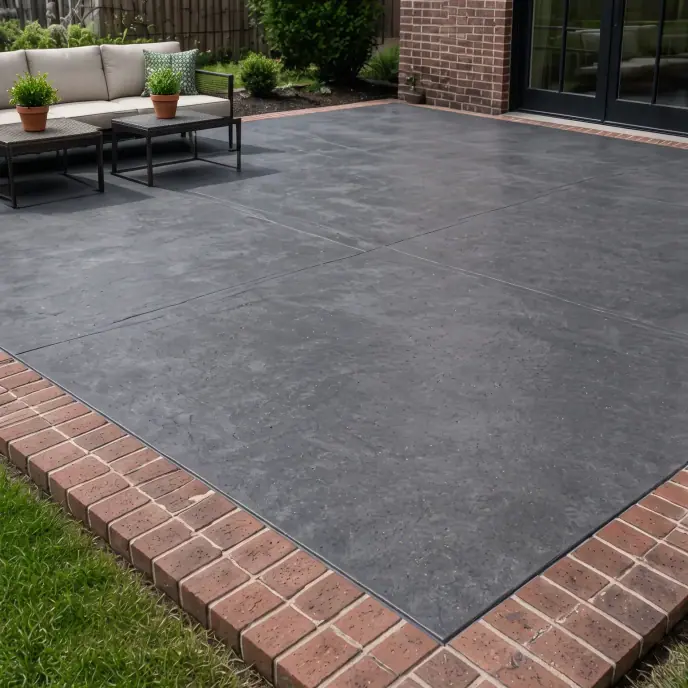
Charcoal-colored concrete patio with a brick border
Your project, your next step

Bring the tone of the concrete into the design of your patio, walkway or entrance.

Discuss sealing as part of the finish

A sealer appropriate to the chosen color system protects against UV fading and surface staining, and it should be reapplied periodically rather than left indefinitely. Film-forming sealers tend to deepen and saturate color more than penetrating sealers, which is a visual choice as much as a protective one.

Use samples to set realistic expectations

Color samples shown in a small chip or photo rarely match the final appearance exactly, since lighting, finish texture, and curing conditions all shift the result. A larger sample panel, poured under conditions similar to the actual project, gives a more reliable preview than a manufacturer's color chart alone.

Coordinate color between connected areas

Many Baltimore properties end up pouring colored concrete in phases, a driveway one year and a connecting walkway or patio later, which makes matching the original color formula important for a cohesive look. Keeping a record of the specific pigment, hardener brand, and mix ratio used on the first pour makes it far easier for a later phase to come close to the original tone.

Without that record, a second phase poured years later should expect some visible difference, since weathering changes the original surface's appearance even if the same color product is reordered.

Your colored concrete estimate: what changes the scope

Color work may be part of a new installation or a treatment of suitable existing concrete, and those are different scopes. Preparation, surface condition, area, color approach and sealing affect the estimate. Borders or multiple tones can add detail. Ask what the sample represents and which finish stages are included so the proposed appearance and work are clear before you decide.

Request an estimate for colored concrete in Baltimore

Tell Baltimore’s Concrete the address, approximate area and the concrete condition. Include preferred tones and photos of the surrounding property so the next step can focus on a finish that fits the project.

Make your next step count

Planning colored concrete

Share your preferred tone and surrounding materials, compare color approaches for new or existing concrete, and discuss samples, finish and ongoing care.

Details that shape your scope

  1. Is this new concrete needing integral color or existing concrete needing a stain or dye?

  2. What finish texture will the color be paired with?

  3. How much winter salt and sun exposure will the surface see?

Related work

Often planned alongside

Questions & answers

Questions about color and matching

Some fading is normal with UV exposure and winter weather, and sealing on a regular schedule slows the process more than it stops it completely.

Yes, through acid stains or dyes applied to the cured surface, though this produces a different mottled look than integral color mixed in before the pour.

Compare samples for the actual exposure and use. Dark and light tones show different marks and weathering; neither is universally better. Ask how the color, texture and sealer will look beside existing materials and how they should be maintained.

Exact color matching for a patched section is difficult, since weathering changes the original color over time; a visible difference should be expected with any future repair work.

Read: Coordinate color between connected areas

Start your project

Request a decorative concrete estimate.

Discuss the look you want with Baltimore’s Concrete, from stamped patterns to color and exposed aggregate.