Decorative · Baltimore, MD

Exposed Aggregate Concrete in Baltimore

Looking for a textured decorative finish? Discuss exposed-aggregate concrete with Baltimore’s Concrete to compare its appearance, use and care requirements for your project.

How this service can help
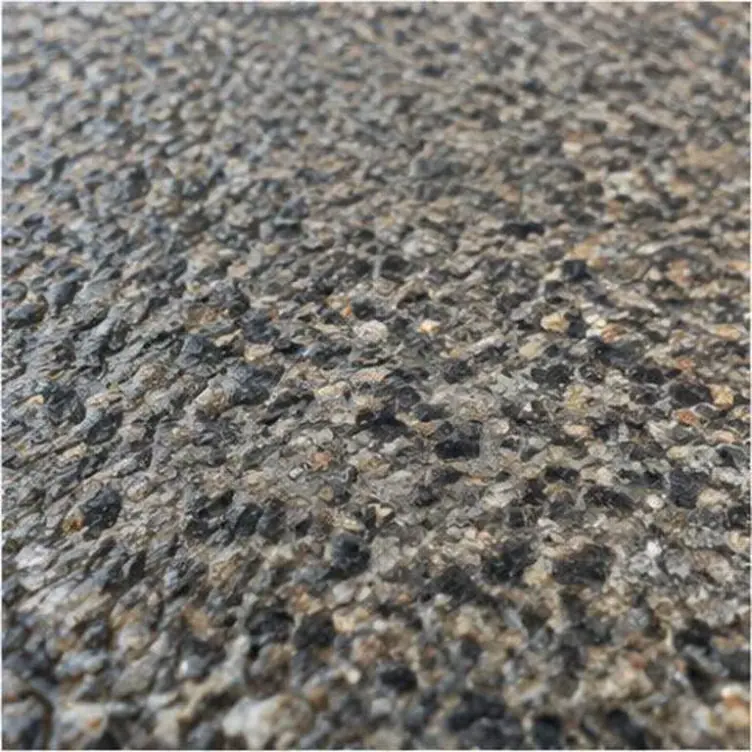
Exposed aggregate surface showing embedded stones

Give your outdoor concrete a textured finish

Create a surface with visible aggregate and a look that differs from plain concrete. Baltimore’s Concrete offers exposed-aggregate work for suitable outdoor areas, with appearance and intended use guiding the project discussion.

Compare the stone as well as the overall color. Aggregate size, the degree of exposure and the border detail change how the surface looks and feels underfoot. Tell us whether the area is a walking route, a patio or another outdoor space, so the finish discussion accounts for use, cleaning and transitions to neighboring concrete.
Plan your decorative concrete project.

Describe the area, the look you want and whether the concrete is new or existing. Your preferred colors, texture and everyday use help narrow the options to discuss.

Your exposed aggregate options

Tell us whether the project is a patio, walking route or another concrete surface. The aggregate appearance, cleaning needs and how people use the area all matter alongside the look of a sample.

Stamped concrete provides a pattern, while colored concrete changes the tone of the surface. Compare those options around the same layout and use so the choice reflects the effect you actually want.

Removal, base preparation, levels and drainage remain part of the project even when the finish is the main reason for the change. Describe the existing surface and adjoining areas before discussing the decorative scope.

Choose aggregate for the appearance you want

Local supply yards offer a range of aggregate colors and sizes, from small pea gravel to larger decorative stone, and the choice affects both appearance and texture underfoot. A finer aggregate produces a subtler, more uniform speckled look, while larger stone creates a bolder, more pronounced texture that reads as more rustic.

Some projects use a specialty or imported aggregate for a specific color palette, which should be confirmed for availability and lead time before the pour is scheduled.

Compare texture and exposure depth

The degree of exposure, light, medium, or deep, determines how much of each stone's surface is visible and how rough the final texture feels. Light exposure leaves more paste between stones and a smoother overall surface, while deep exposure reveals more of each stone's full profile and creates a rougher, more aggressive texture.

Exposure depth is controlled by timing: washing or brushing the surface too early removes too much paste and can dislodge stones, while waiting too long makes it difficult to expose the aggregate evenly at all.

Consider how the surface will feel underfoot

The irregular surface created by exposed aggregate provides more traction than a smooth or lightly textured finish, which is one reason it shows up often around pool decks, ramps, and sloped walkways in Baltimore yards. That same texture, though, can be harder on bare feet and more difficult to clear of fine debris than a smoother surface.

For steps and ramps where water runoff and ice are concerns, exposed aggregate's texture can meaningfully reduce slip risk compared to a smooth troweled finish.

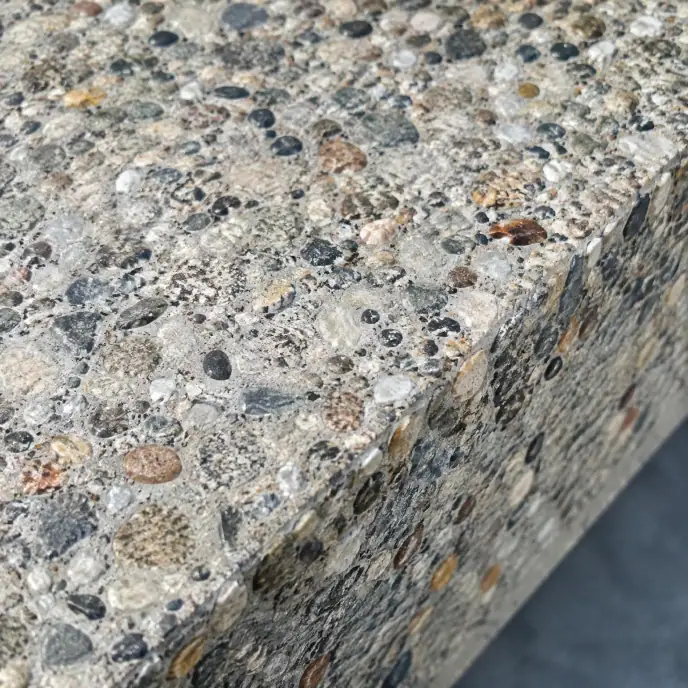
Close view of exposed aggregate concrete texture
Your project, your next step

Compare an exposed-aggregate finish for an outdoor surface with visible texture and character.

Include the base and joint layout

Exposed aggregate concrete needs the same attention to base compaction and control joint spacing as any other slab; the decorative surface does not change the structural requirements underneath. On moisture-sensitive soils, inconsistent compaction can lead to uneven settling that becomes more visually obvious on a textured aggregate surface than on a smooth one.

Joint spacing should still follow standard slab-thickness guidelines, and joints in exposed aggregate are typically left as plain saw cuts rather than disguised within a pattern, since there is no repeating pattern to match them to.

Know what upkeep the finish will need

Dirt, leaves, and fine debris tend to settle into the recesses between exposed stones more than on a smooth surface, so regular sweeping and occasional pressure washing help keep the texture looking clean. Sealing an exposed aggregate surface also enhances the stone color and makes cleaning easier by reducing how much grime embeds into the surface pores.

Use borders to define the finished area

A common design approach pairs an exposed aggregate field with a smooth or broom-finished concrete border, which frames the textured area and can also serve as a clean, flat strip for furniture or planters. This combination requires planning the pour in stages or with separators so the two finishes meet cleanly along a defined edge.

Your exposed aggregate estimate: what changes the scope

An exposed-aggregate estimate includes the base installation and the selected decorative finish. Aggregate choice, exposure, borders, area and access can change the work involved. Preparation or removal is an additional consideration where concrete already exists. Clarify sealing and care expectations so you can weigh the finish over its use, rather than choosing only from a close-up photograph.

Request an estimate for exposed aggregate in Baltimore

Bring Baltimore’s Concrete the project address, approximate size and finish references. Photos of the space and the surrounding materials help explain the texture and overall appearance you want.

Make your next step count

Planning exposed aggregate

Discuss the texture and appearance you want, show the proposed area, and compare aggregate and finish choices against how the surface will be used.

Details that shape your scope

  1. What aggregate size and color fits the desired look and the budget?

  2. How much slip resistance does the intended use require?

  3. Will the field be bordered by a different finish, and if so, how will the two meet?

Related work

Often planned alongside

Questions & answers

Exposed aggregate questions

The texture can affect grip and comfort, but stone type, exposure depth, wear, sealing and wet conditions also matter. Review a sample appropriate to the intended route rather than treating aggregate as a guarantee of slip resistance.

Read: Consider how the surface will feel underfoot

Not by exposing stone that isn't already in the mix; achieving an exposed aggregate look on existing concrete would require a new topping with aggregate embedded in it, which is a different process from standard resurfacing.

Timing is critical; the surface is washed or lightly brushed once the concrete has set enough to hold the stones in place but before it has fully hardened, exposing the top layer without dislodging material.

Sealing isn't strictly required but is generally recommended to enhance the stone's color and make the textured surface easier to clean.

Start your project

Request a decorative concrete estimate.

Discuss the look you want with Baltimore’s Concrete, from stamped patterns to color and exposed aggregate.