Decorative · Baltimore, MD

Concrete Resurfacing Contractor in Baltimore

Refresh a worn surface when the existing concrete is suitable. Baltimore’s Concrete offers resurfacing discussions to help you compare an overlay with repair or replacement for the condition you have.

How this service can help
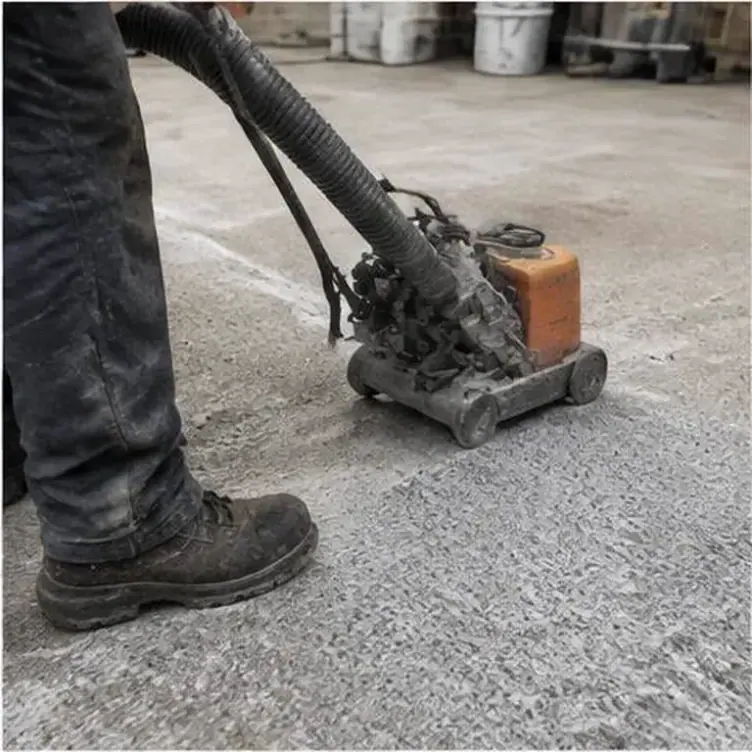
Preparing an existing concrete surface with a grinder

Refresh suitable concrete without starting the layout again

Renew the appearance of an existing slab with a resurfacing discussion from Baltimore’s Concrete. This option starts with whether the concrete can support a topping, not just the finish you would like to see.

A new finish is only useful if the surface below it is suitable. Show any cracks, settled areas, previous coatings and patches before choosing an overlay appearance. That gives you a clearer basis for comparing preparation and resurfacing with repair or replacement, rather than selecting a topping that leaves the underlying problem unresolved.
Plan your decorative concrete project.

Describe the area, the look you want and whether the concrete is new or existing. Your preferred colors, texture and everyday use help narrow the options to discuss.

Your concrete resurfacing options

Describe surface wear, cracks, movement and areas that hold water. A slab that is moving or failing underneath may need concrete repair or replacement rather than an overlay.

Share the appearance you want for the patio, walkway or other area. Decorative options can be discussed once the preparation needs and the limits of the existing concrete are clear.

Concrete leveling addresses suitable settled slabs, while concrete replacement changes the slab itself. Keeping those purposes separate helps you compare options for the actual problem rather than treating every finish change as a repair.

Check whether the existing slab can be resurfaced

A proper evaluation checks for cracks that indicate ongoing movement versus old, stable shrinkage cracks, looks for signs of settlement or unevenness across the slab, and tests whether the surface itself is delaminating or spalling from freeze-thaw damage or past deicing salt use. Any of these findings can change the recommendation from resurfacing to a more involved repair.

Moisture testing is also part of a thorough evaluation, since trapped moisture under a slab can cause a new overlay to fail even if the surface looks fine on the day of the pour.

Compare overlay approaches for your surface

Resurfacing products range from thin polymer-modified overlays designed mainly to refresh color and texture, to thicker cementitious overlays capable of adding minor leveling and more texture variety, including stamped and exposed-aggregate-style finishes applied as a topping. Thicker overlays generally offer more design flexibility and durability but cost more and require more surface preparation.

The right system depends on how much of the existing surface wear needs to be hidden and what final texture or pattern the owner wants.

Include the preparation that supports the finish

Resurfacing only bonds well to a clean, properly profiled surface, so preparation typically includes pressure washing, repairing minor surface cracks and spalls, and sometimes mechanically roughening the surface to improve adhesion. Skipping or rushing this step is one of the most common reasons an overlay loses its bond.

Oil stains, old sealers, and efflorescence all need to be addressed before the new topping goes down, since each can interfere with the bond between old and new material.

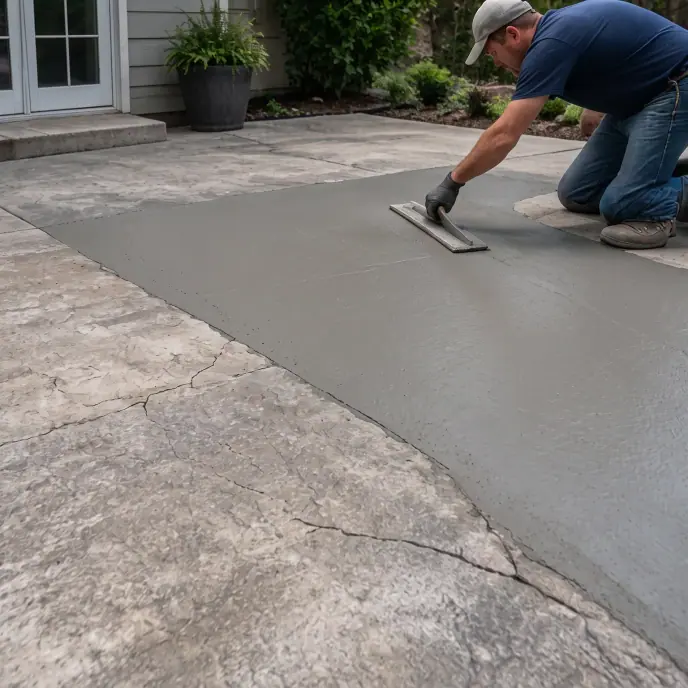
Worker applying a smooth resurfacing layer to concrete
Your project, your next step

Explore a new finish for suitable existing concrete before deciding on full replacement.

Choose the appearance of the resurfaced area

Resurfacing is not limited to a plain gray refresh; overlays can be stamped, colored, or textured to achieve a decorative look similar to a new decorative pour, often at lower material cost since less concrete volume is involved. This makes resurfacing a practical route for owners who like their existing slab's structural condition but want to update its appearance.

Color and stamping decisions for an overlay follow the same planning considerations as a new stamped or colored pour, including matching release agents and controlling exposure depth for any textured look.

Recognize when replacement is the better scope

If an evaluation finds the existing slab has settled, cracked through its depth, or lost base support, resurfacing over it only delays an eventual replacement while adding cost that does not solve the underlying issue. In those cases, removal and replacement addresses the actual problem rather than the symptom.

Understand how the new color and texture will wear

An overlay's color and texture generally wear at a different rate than a full-depth new pour because the decorative layer itself is thinner, which means heavy foot traffic areas or tire paths on a resurfaced driveway can show wear sooner than the same finish applied as a full new slab. Choosing a thicker overlay system in high-traffic zones, with a lighter decorative topping reserved for lower-traffic areas, is one way to balance appearance against durability.

Owners weighing resurfacing against a full new pour should factor this wear difference into how they expect the finish to hold up over the years they plan to own the property.

Your concrete resurfacing estimate: what changes the scope

Resurfacing cost depends on preparation, repairs, the selected system and the amount of decorative detail. Existing coatings or contamination can change what is needed before a new finish is applied. Compare the preparation and limitations in each proposal, and ask what damage remains beneath or outside the treated area. A surface treatment should not be priced as though it corrects every cause of deterioration.

Request an estimate for concrete resurfacing in Baltimore

Tell Baltimore’s Concrete the location, approximate area and what you want to improve. Include photos showing the whole slab and its defects so the estimate discussion can address preparation as well as the new appearance.

Make your next step count

Planning concrete resurfacing

Show the existing surface condition, discuss whether it is suitable for resurfacing, and define the preparation, finish and limitations of the proposed treatment.

Details that shape your scope

  1. Is the existing slab structurally sound, or does it show signs of settlement or deep cracking?

  2. What overlay thickness and finish fits the desired decorative result?

  3. What is the condition of the surface that will receive the new topping?

Related work

Often planned alongside

Questions & answers

Will resurfacing work on my slab?

An overlay is worth considering when the slab underneath is stable and the problem is flaking, staining, or worn texture. If panels are sinking, heaving, or cracked through, the overlay will crack along with them.

Read: Check whether the existing slab can be resurfaced

No, resurfacing is a thin surface treatment and cannot correct settlement; an uneven slab typically needs leveling or replacement before any decorative topping is considered.

It varies with the product thickness and how well the surface was prepared and maintained, but thinner decorative overlays generally need more frequent resealing than a full-depth new pour.

Yes, many overlay systems can be stamped, colored, or textured to achieve a decorative look similar to a new decorative pour.

Start your project

Request a decorative concrete estimate.

Discuss the look you want with Baltimore’s Concrete, from stamped patterns to color and exposed aggregate.